


A lot is going on in our bodies during our periods, and some cramping is to be expected. But just how much pain is normal, and how can we manage whatever level of pain we’re experiencing? Far too many people are living with severe, debilitating pain every month and simply pushing through. As someone who has witnessed the challenges faced by friends with debilitating period pain, I believe it’s crucial to initiate a conversation about the symptoms, the impact on daily life, and the necessity for a more empathetic and informed healthcare community.
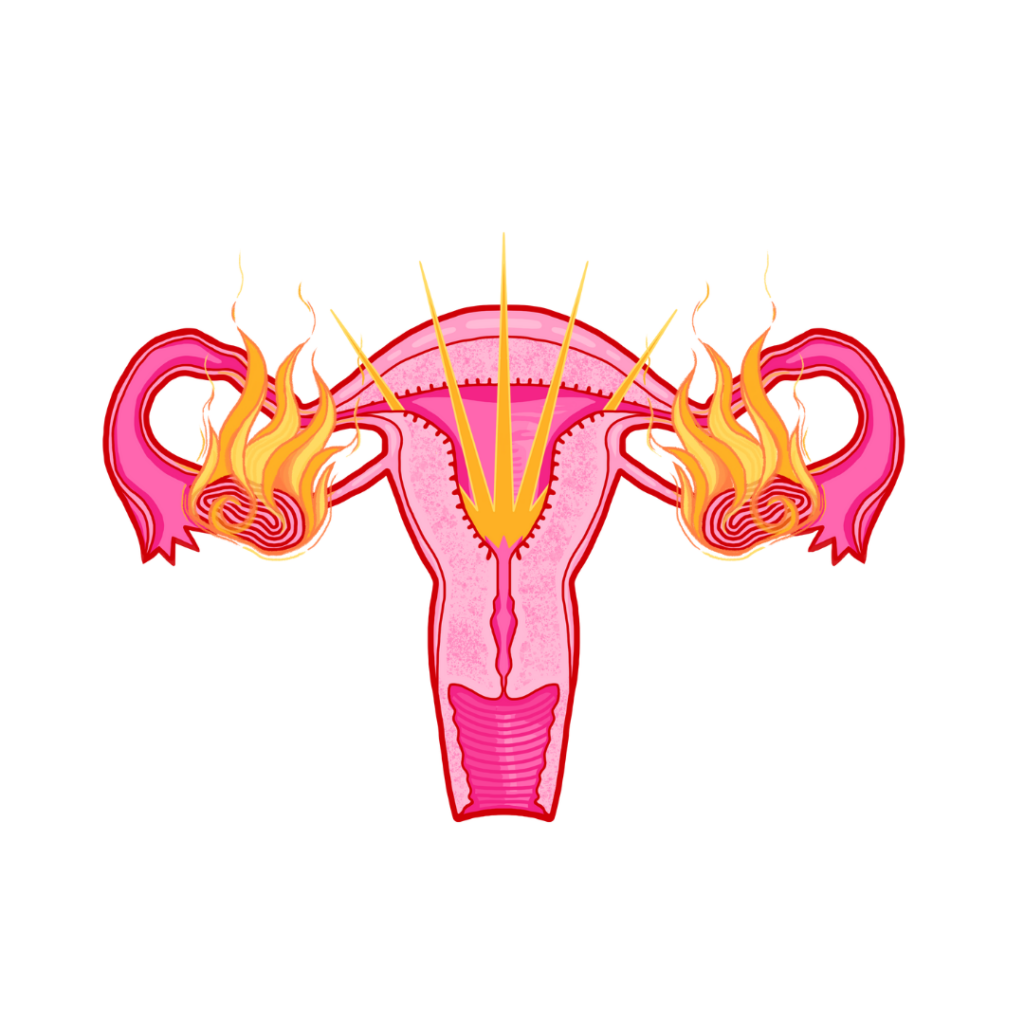
March is more than just the herald of a new season; it’s a crucial month for shedding light on a condition that often remains misunderstood and underestimated. Endometriosis.
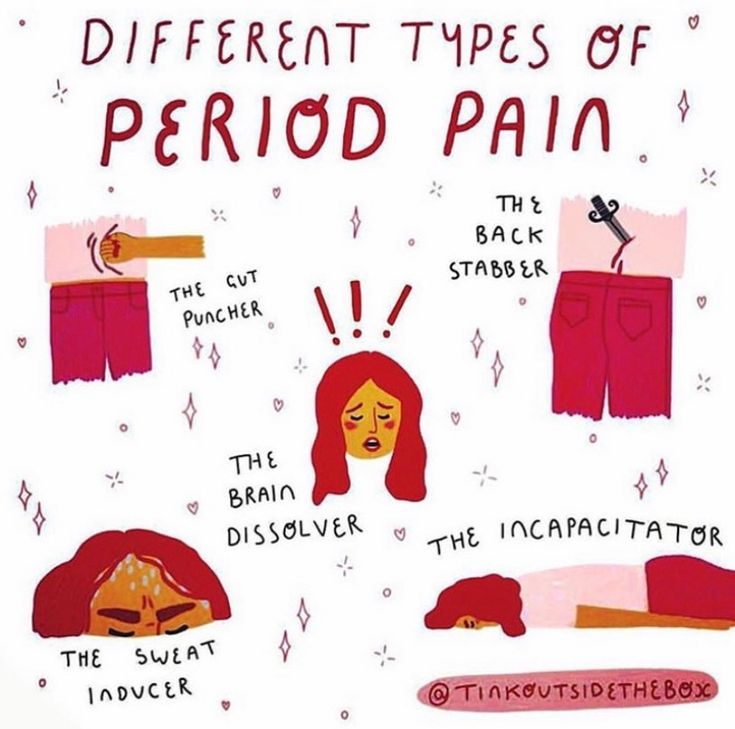
So let’s do a quick crash course on period pain which is also referred to as dysmenorrhea. The pain is most often cramps, which are throbbing, contracting pain in your lower abdomen. You may also experience other symptoms, such as lower back pain, nausea, diarrhoea and headaches. This lower back pain during your period is caused by hormonal changes. The prostaglandins (the chemicals that your uterus makes) that help the uterus contract to shed its lining can also cause back pain. Having too many prostaglandins causes painful menstruation.
And it’s the prostaglandins that can also make you nauseous and trigger diarrhoea, especially if your cramping is severe. Oh, and headaches, did I mention headaches? Prostaglandins have a lot to answer for.
There are two types of dysmenorrhea: Primary & Secondary. Primary is the most common type of period pain. It is not caused by any other underlying condition and is usually caused by having too many prostaglandins. Primary dysmenorrhea can start a day or two before your period and normally lasts for a few days. It’s fairly common for your first few periods to cause pain, but for the pain to ease off as you get older, or after you have given birth.
Now onto the secondary dysmenorrhea – this starts later in life. It is caused by conditions like endometriosis and uterine fibroids that affect your uterus or other reproductive organs. This kind of pain gets worse over time and can start before your period starts and continue after it ends.
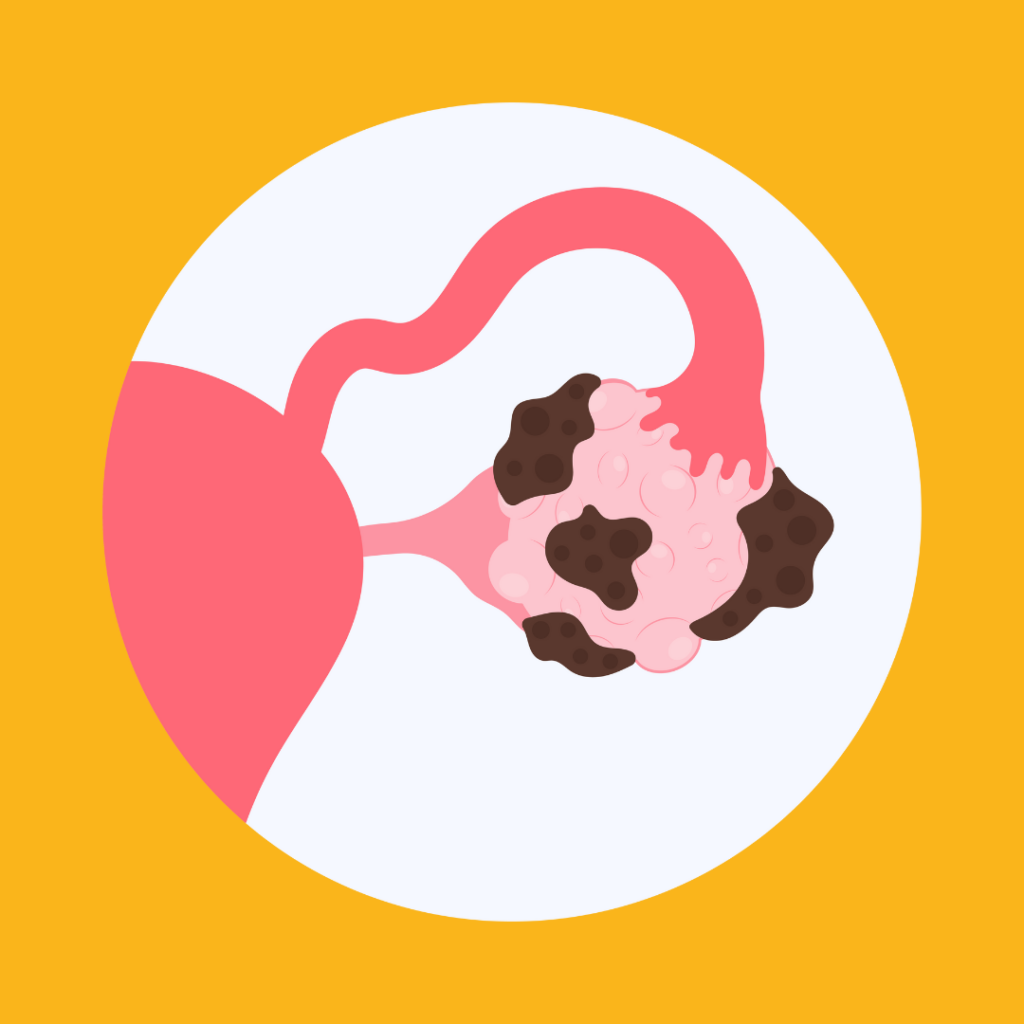
Now – Endometriosis is an often painful disorder in which tissue similar to the tissue that lines the inside of the uterus grows where it shouldn’t. The lining of the uterus is called the endometrium. In endometriosis, endometrial-like tissue is commonly found in the ovaries, fallopian tubes and other tissue lining the pelvis. It’s possible, but rare, for endometrial tissue to spread beyond the pelvic organs.
With endometriosis, that endometrial-like tissue behaves the same way the tissue in your uterus would, thickening, breaking down and bleeding with each menstrual cycle. But because this tissue can’t leave your body through the vagina the way it usually does during menstruation, it becomes trapped…
For those living with endometriosis, the journey is not just physical but also emotional and mental. The pain can be excruciating, affecting daily activities and impacting mental well-being. Moreover, the invisible nature of the condition often leads to scepticism, disbelief, or dismissal from both society and the healthcare community. It’s disheartening to hear stories of many friends, and endometriosis activists especially those who menstruate, facing disbelief or downplaying of their symptoms by healthcare professionals. The pain associated with endometriosis is not “just normal period pain.”
As we navigate through Endometriosis Awareness Month, let’s take a moment to advocate for change. It’s not just about raising awareness but about fostering understanding within the healthcare community. Medical professionals need to listen to their patients, validate their experiences, and take appropriate steps for diagnosis and treatment. If you or someone you know is living with endometriosis, it’s essential to seek support and understanding. There are various resources available, from support groups to educational materials, that can help navigate this challenging journey. By sharing personal experiences and information, we can empower individuals to take control of their health and advocate for themselves within the healthcare system.
Flowin’ in Solidarity,
The Minister of Menstruation

Hello Candice (Minister).
Thank you so much for bringing such an important topic to the forefront. As someone who is currently struggling with Endometriosis, I 100% agree with getting professionals to take the time to listen to their patients. My biggest struggle, however, has been navigating my workplace. It’s so difficult to explain that I don’t just get your normal period pains. The ones I get come way before my period even starts and last long after. I sometimes cannot even move for hours. Did I mention that the weather sometimes influences how my body will react! Responding to an email, something that could take 5 minutes, ends up taking more than an hour because I have to find the right position on my chair or I have to keep my body warm. It really is hard and the last thing I want to do is get used to taking pain killers (if and when they work). I hope one day I will be able to not go through this kind of pain.
Best,
Ona